Out of the Compound: The Case for Half-Board in Hisarönü

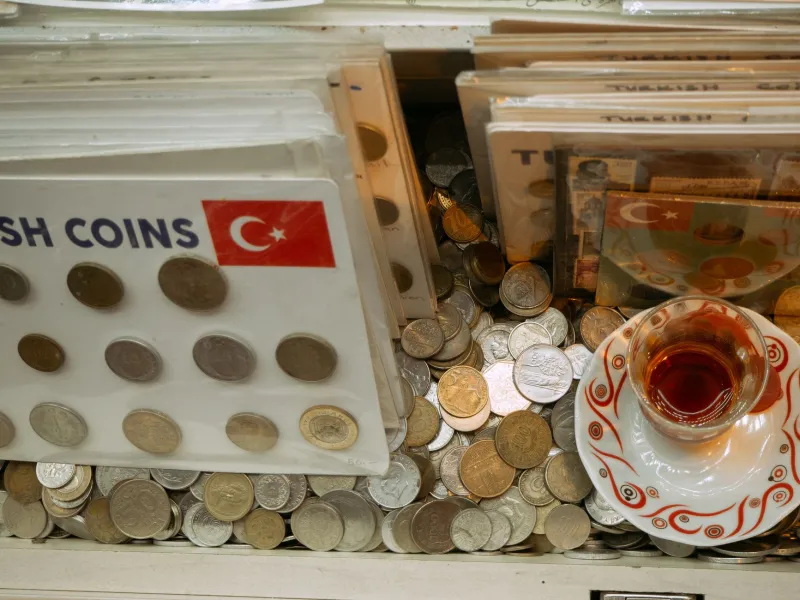
Photo: Turkish breakfast table with çay, menemen and olives, Hisarönü Turkey, via helpfulprofessor.com
I have nothing against a swim-up bar. I have, on occasion, been the person who orders the second mojito before noon and considers it a lifestyle choice. So this isn't a sermon about asceticism. It's about a gate.
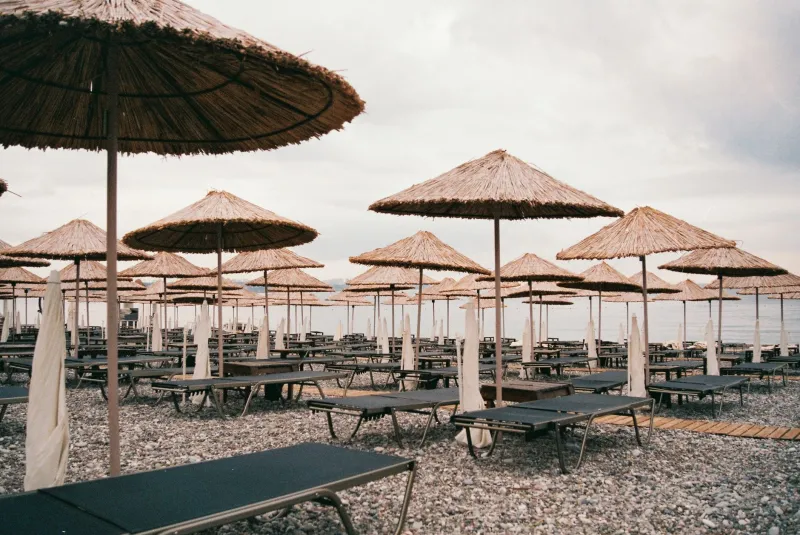
Most of Hisarönü's all-inclusive resorts are comfortable, well staffed and perfectly pleasant. They are also, by design, enclosed. You can spend seven nights inside one and never learn that the dolmuş to Ölüdeniz costs less than a round of poolside coffees, or that the little lokanta up the hill does a lunch that would quietly embarrass the buffet. The compound isn't a trap in any sinister sense. It's just very good at being the only thing you see.
What all-inclusive actually costs in 2026
Here's the honest starting point. A mid-summer all-inclusive package in Hisarönü tends to sit somewhere around £80–95 per person per night in high season. A comparable room on half-board — same pool, same view, same slightly-too-loud evening entertainment — usually runs £55–65. The difference, roughly £25–35 per person per day, is what you've pre-paid for food and drink.
That's the number to keep in your head. For a couple, you've already committed £50–70 a day before you've decided whether you actually want the buffet. The question isn't whether all-inclusive is bad value in the abstract. It's whether you'd choose to spend that money locally if it were still in your pocket.
The breakfast test
Start with the meal most people treat as a formality. A gözleme stand, a proper Turkish breakfast of menemen, white cheese, olives, cucumber and as much çay as you can reasonably absorb: two people, comfortably fed, for £10–14. At the hotel, two poolside coffees and a pastry will set you back about the same before you've had anything resembling breakfast.
This is the quiet maths of the half-board holiday. Breakfast out isn't a treat you're splurging on. It's frequently cheaper than the add-ons you'd buy anyway.
Lunch, lokanta-style
A lokanta — the everyday canteen-style restaurant where locals actually eat — will do you a plate of stewed beans, rice, salad, bread and çay for £6–9 a head. Add a shared plate of pide and you're still under £25 for two. Compare that to the resort lunch you've already paid for and then supplement with a £6 club sandwich because the buffet was cleared away at two.
Nobody's saying a lokanta lunch is a gourmet experience. It is, however, the kind of lunch that makes you feel you've been somewhere rather than merely stayed somewhere.
The fish-market dinner that pays for itself
This is the one that converts people. Fethiye's harbour fish market works on a simple principle: buy your fish from the stalls, hand it to a restaurant, pay a cooking charge, order sides and drinks. In 2026 you can feed two people properly — sea bream, a pile of mezze, salad, a couple of beers — for £40–50 all in.
A three-course dinner for two at a Hisarönü restaurant, with a decent bottle of wine, will run you £55–75. So the fish market isn't just better. It's cheaper. And you'll have taken a dolmuş, walked a harbour and had a night with an actual story attached.
A rough daily ledger
Two adults, mid-August 2026, being deliberately honest about both sides:
| Item | All-inclusive | Half-board / self-catering |
|---|---|---|
| Board premium (two people) | £60 already spent | £0 |
| Breakfast out | — | £12 |
| Lunch at a lokanta | — | £16 |
| Fish-market dinner | — | £45 |
| Dolmuş fares | £4 | £4 |
| Day total | £64 | £77 |
Look at that table and you can see the case for all-inclusive, which is why I'm keeping it in. On paper, the couple who eat every meal out and drink modestly spend about £13 more per day. That's the price of the gate being open.
But there's a second column missing from that table: the money all-inclusive guests still spend outside. Very few people stay entirely inside the compound for a week. There's the ice cream on the beach, the coffee in town, the one dinner out because the buffet was repetitive by Thursday. Add £15–20 a day of outside spending to the £64 and the all-inclusive day is closer to £80–85. Suddenly the arithmetic isn't so lopsided.
And if you drink six beers and three cocktails a day by the pool, all-inclusive will win comfortably. That's not a moral failing. It's just maths, and it deserves saying out loud.
Where all-inclusive genuinely wins
I'd book it without hesitation in three situations.
The first is toddlers. A two-year-old does not care about harbour views. They care about nap schedules, immediate access to a paddling pool, and food that arrives without a twenty-minute wait. All-inclusive is a logistics solution, and for parents of very small children it's often the only sane one.
The second is the genuine pool-lounger. Some people save all year to do absolutely nothing beside water with a book, and a compound delivers that with zero friction. No shame in it. It's a holiday, not a pilgrimage.
The third is the short break. On a five-night trip, the faff of finding breakfast, lunch and dinner has a real cost in time and decision-making. All-inclusive buys you back your mornings.
The halfway house
Half-board is the compromise most people overlook. Breakfast and dinner at the hotel, lunch out. You keep the convenience of not hunting for dinner and the freedom of an afternoon in town. Self-catering goes further — a balcony, a Migros run, tomatoes that taste of something, £3 breakfasts eaten in your swimwear.
Neither requires you to be a martyr about money. They simply leave the gate unlocked.
The verdict
All-inclusive isn't heresy. It's a product, and for some holidays it's the right one. But in Hisarönü, where the town is small, the food is cheap and the dolmuş runs for the price of a coffee, it's worth asking what you're actually paying to keep out. My advice is modest: whatever you book, walk out of the gate on day one. Have a çay in town. See what's there. You can always go back in.