No Car, No Fuss: Riding the Dolmuş from Hisarönü to the Coast
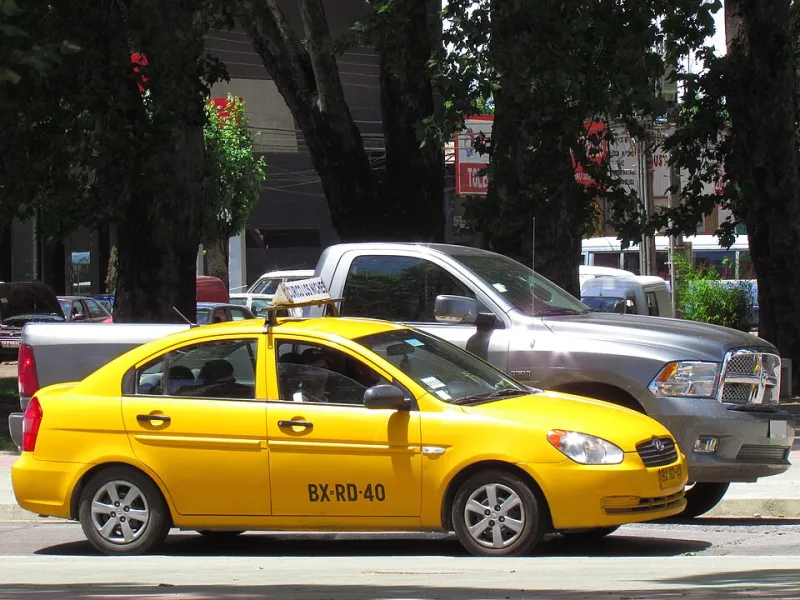
Photo: order_242 from Chile, CC BY-SA 2.0, via Wikimedia Commons
Hisarönü is not a city. It is a ribbon of hotels, bars and shops strung along the road between Fethiye and Ölüdeniz. That makes it surprisingly easy to explore without hiring a car. The dolmuş — Turkey's shared minibus — is the local answer to the bus, the taxi and the airport shuttle all at once. In 2026, services are frequent, cheap and cheerful, and they will get you back to Hisarönü in time for dinner.
How the dolmuş works (without the guesswork)
You flag it down, say your destination, and pay the driver or his assistant. Fares are fixed for set routes. In summer, Hisarönü to Ölüdeniz runs every 10–15 minutes from early morning until late; to Fethiye every 10–20 minutes. After midnight, you will be looking at a taxi. Carry small notes and coins. Some drivers accept cards now, but do not rely on it.
Seats are not reserved. Women can sit anywhere, and it is normal to pass money forward. Keep your bag on your lap, hold on through the bends, and do not expect seatbelts. The dolmuş stops wherever it is safe, so you can often get off closer to your hotel than the official stop.
What you will pay in 2026
- Hisarönü to Ölüdeniz: 40–50 TL, about 10–15 minutes
- Hisarönü to Fethiye: 60–80 TL, about 20–25 minutes
- Fethiye to Ölüdeniz: 70–90 TL, about 30–35 minutes
- Fethiye to Çalış: 40–50 TL, about 15 minutes
- Fethiye to Kayaköy: 50–70 TL, about 20 minutes
Prices are per person, one way, and rise slightly in peak season. A couple can easily spend a day out for less than the cost of a round of drinks at home.
Five phrases that make the dolmuş easier
- Ne kadar? — How much?
- Ölüdeniz'e, lütfen. — To Ölüdeniz, please.
- Müsait bir yerde inebilir miyim? — Can I get off at a suitable place?
- Teşekkürler — Thanks.
- Duracak var mı? — Is anyone getting off?
Day plan 1: Ölüdeniz and the Blue Lagoon
Hop on the Hisarönü–Ölüdeniz dolmuş after breakfast. The ride takes about 15 minutes and drops you near the beach. Walk to the Blue Lagoon, pay the small national park entrance fee — around 300 TL in 2026, with sunbeds extra — and claim a spot. Lunch at a beach café, then swim or take the Babadağ cable car if you want the view. The last dolmuş back is usually around midnight in high season, but check the board at the stop. You will be back for a shower and dinner.
Day plan 2: Fethiye market and harbour
Tuesday is market day in Fethiye. Take the dolmuş from Hisarönü to the otogar or town centre. Wander the stalls for fruit, spices and fake football shirts, then walk to the harbour and watch the boats. Have lunch at the fish market — choose your fish, pay the restaurant to cook it — and afterwards explore the old town of Paspatur or the Fethiye Museum. Dolmuş back to Hisarönü runs until late, so you can stay for an early evening drink.
Day plan 3: Kayaköy ghost village via Fethiye
Take the dolmuş to Fethiye, then another to Kayaköy. The abandoned village is a haunting and beautiful place; allow two hours to wander between the stone houses and chapels. Have lunch in Kayaköy at one of the garden restaurants, then return to Fethiye by dolmuş and pick up the Hisarönü service. This is a half-day trip that leaves plenty of time for the pool before dinner.
Backup plans and late-night rules
No car does not mean no freedom. Taxis are useful for late nights or remote coves. Agree the price first. A taxi from Ölüdeniz to Hisarönü in 2026 might cost 400–600 TL after midnight. Boat trips can also drop you at quieter beaches, and many hotels will call a taxi for you. Save the local taxi number in your phone.
The car-free verdict
You will spend less, see more and avoid the stress of Turkish mountain roads. Budget around 500–800 TL per couple per day for dolmuş fares and the odd taxi. That is still a fraction of a hire car, insurance and parking. The dolmuş is not just transport; it is part of the holiday.